

Leading the Industry in Pipette Tip Technology and Applications
Our Mission
Our mission is to provide novel technologies that increase sample preparation efficiencies, and create automated solutions for laboratories that are easy to customize and implement with any workflow or method.

Our Vision
Solving problems with chemistry is the core of what we do. Our vision is to empower scientists by offering versatile products that can integrate with any workflow or method.#CREATINGPOSSIBILITIES
The DPX Technology Difference
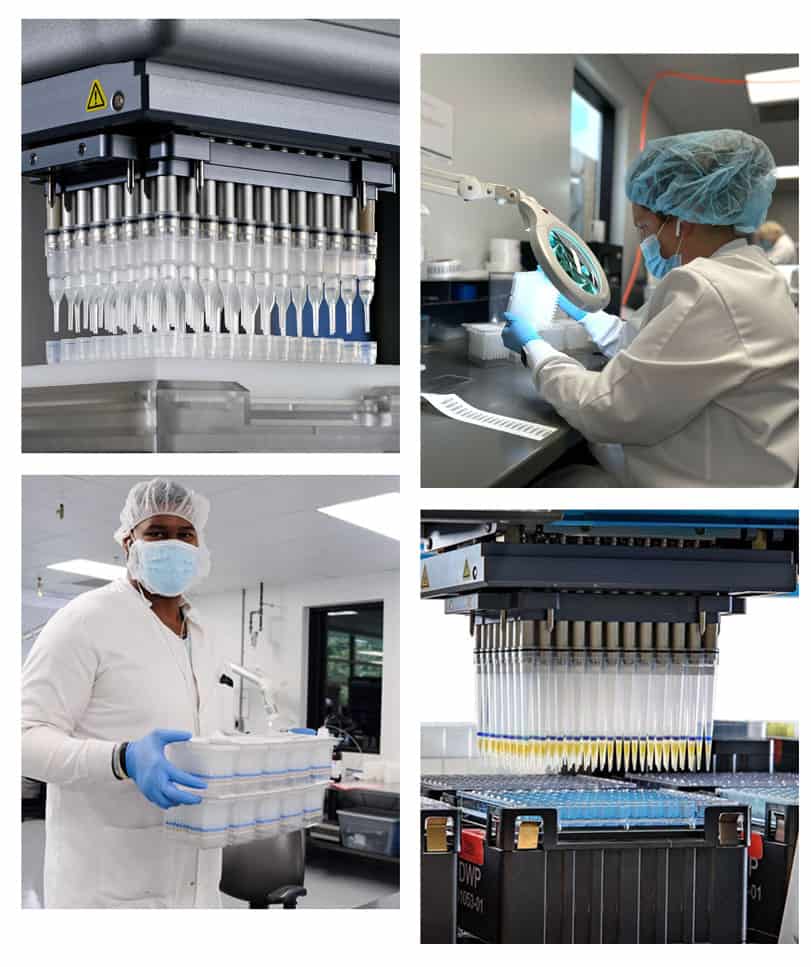
Easy-to-use. Easy to automate. Our pipette tips provide sample preparation solutions for a variety of applications.
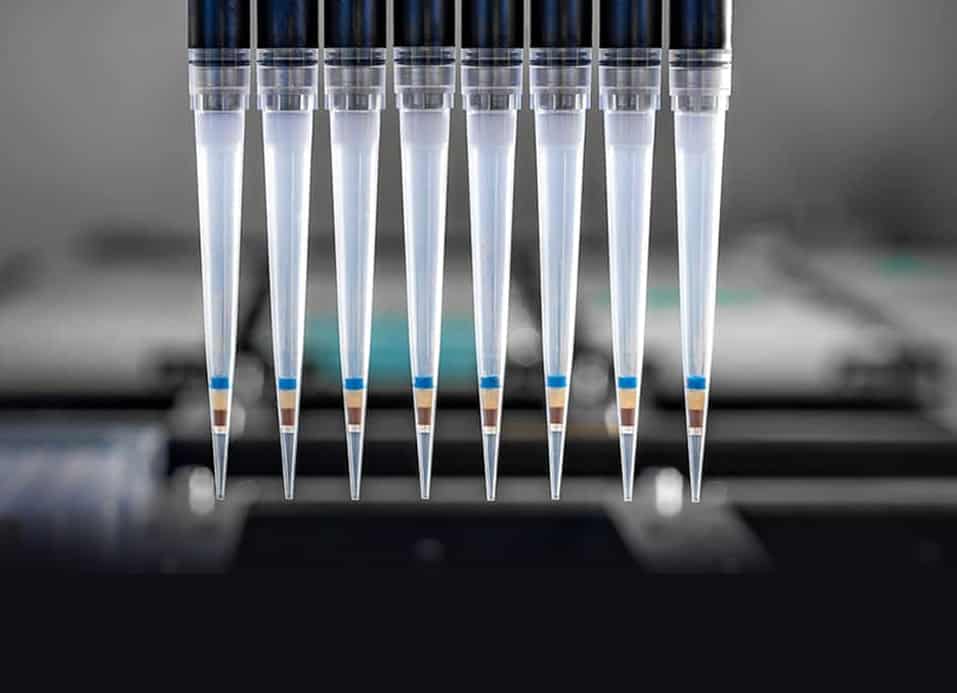

INTip Solid Phase Extraction – powered by patented Dispersive Pipette XTRaction Technology
The disperser in XTR tips perturbs the sample solution and loose sorbent during aspirate and dispense steps. This mixing provides a highly efficient interaction of the sorbent with the analyte of interest resulting in ideal analyte recoveries.
CLINICAL / FORENSICS / CANNABIS
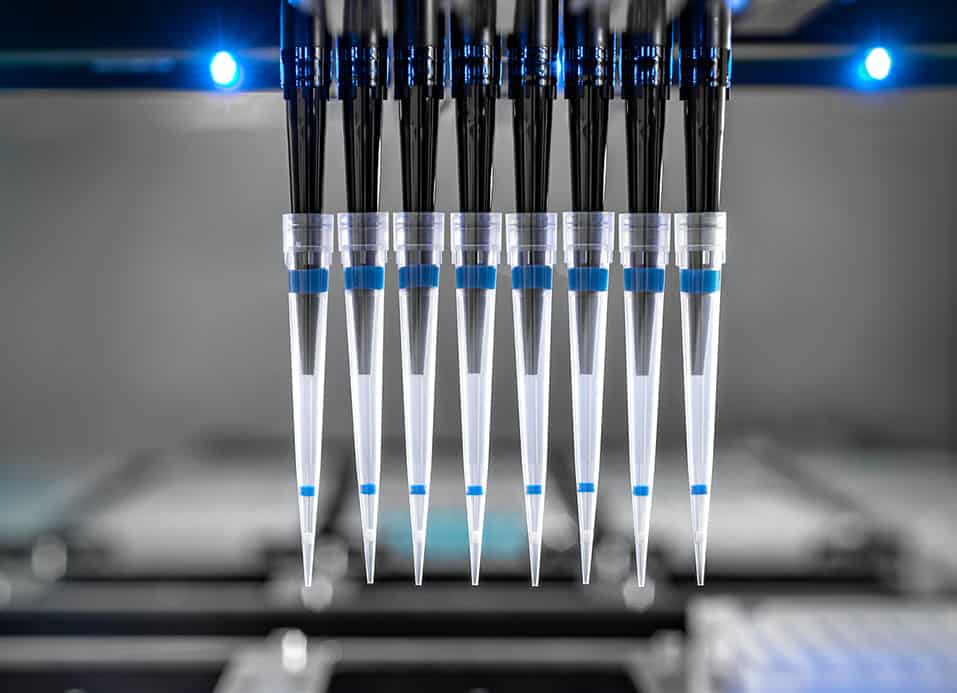

INTip Filtration – powered by patented Tip-on-Tip (ToT) Technology
A top tip aspirates sample solution, fits into the Filtration tip, and dispenses through the Filtration tip providing a clean, particulate-free solution. Filtration tips are available in a variety of porosities. ToT has three main methodologies: ToT Filtration, ToT Cleanup and ToT SPE.
CLINICAL / FORENSICS / CANNABIS
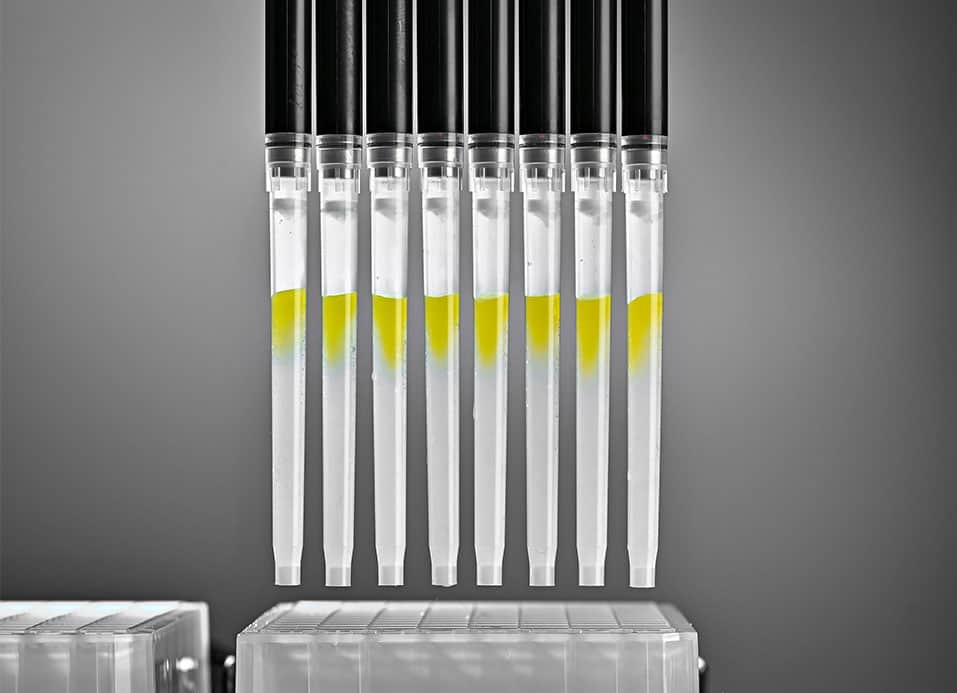

INTip Size Exclusion Chromatography – powered by patent-pending INTip Swelling
Our size exclusion chromatography product line can be used for desalting and buffer exchange: a group separation method where small molecules (such as salts) are separated from a group of larger molecules (such as proteins). Samples can be quickly prepared for other downstream chromatographic techniques and assays.
GENOMICS / PROTEOMICS
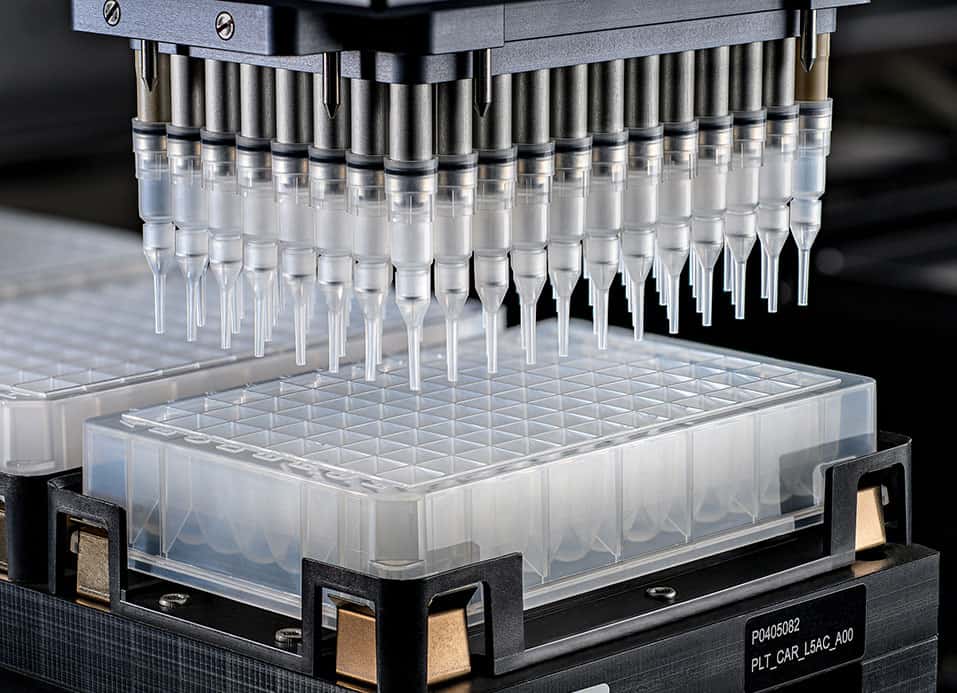

MicroPorous Xtraction Technology
A revolutionary technology that incorporates a variety of microporous media options for high efficiency, automated workflows. The MPX device comes as a 3-part unit comprised of an adaptor for Hamilton Robotic platforms, a needle support and microporous media. Replace spin columns or magnetic bead formats with MPX workflows for DNA purification or cleanup, small molecule extraction, sub-micron filtration and more!
CLINICAL / FORENSICS / GENOMICS / PROTEOMICS
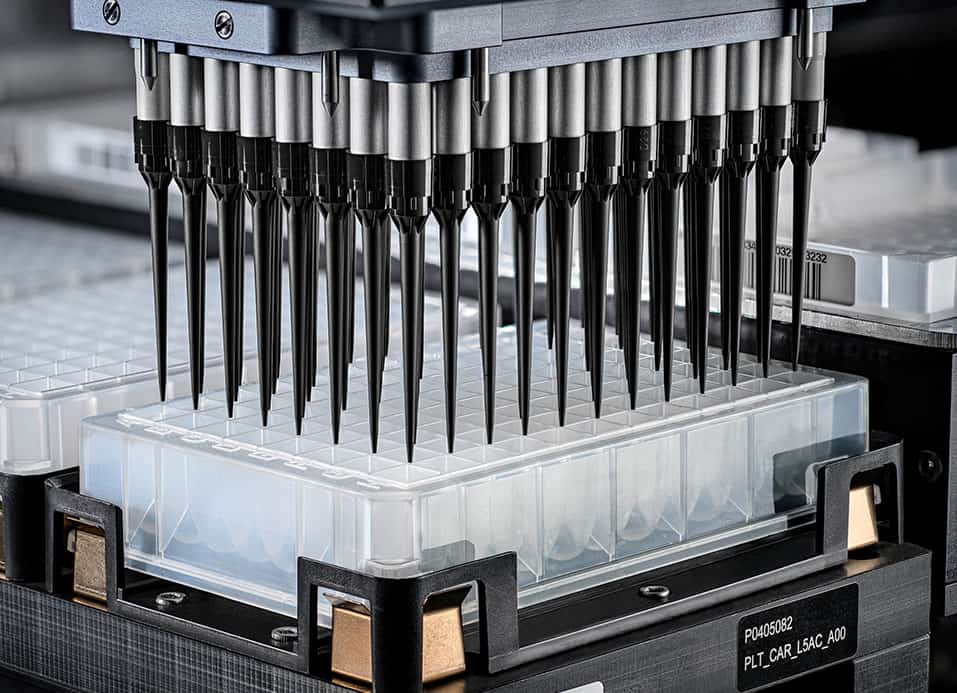
INTip PCR Cleanup
Our INTip technology utilizes a proprietary microporous media and buffer system to allow for fast and effective PCR cleanup, size selection and ligation cleanup methods. Our tip based workflows readily replace SPRI beads for automated genomic sample preparation for Next Generation Sequencing library preparation methods and other downstream analysis.
GENOMICS
Industries We Serve




Genomics
Innovative technology for fast and effective genomic sample preparation including nucleic acid extraction, size selection and PCR cleanup for NGS and other downstream analysis.

Proteomics
Current applications include INTip size exclusion chromatography methods for group separations. More applications coming soon!
Latest News

MSACL 2024 | New Poster Presentation
We're excited to be back at MSACL delivering innovative methods for clinical applications. Stop by the DPX booth #18 to get copies of the latest applications notes and learn more about our INTip products. [...]
SOFT 2023 Poster Presentation | New XTR Sorbent Chemistry Option
DPX will be back at the Society of Forensic Toxicology Conference. We're excited to release the abstract for our upcoming poster presentation introducing a new Dispersive Pipette Xtraction method with HLB sorbent chemistry. The [...]
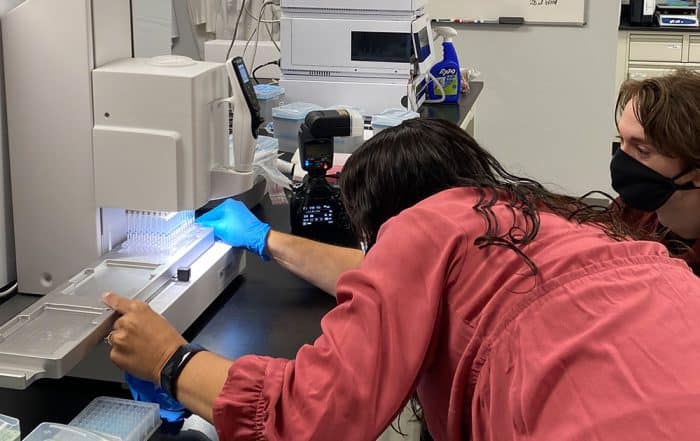
Summer Internship Experience
This summer internship for DPX Technologies has truly been a very successful experience. My name is Olivia Vonderhaar and I am the summer marketing intern. Throughout this summer, I have learned numerous skills and [...]
